




Turkey’s Crisis Cools Inflation
A liquidity squeeze following an investment-fund scandal is weakening demand as inflation falls faster than expected.
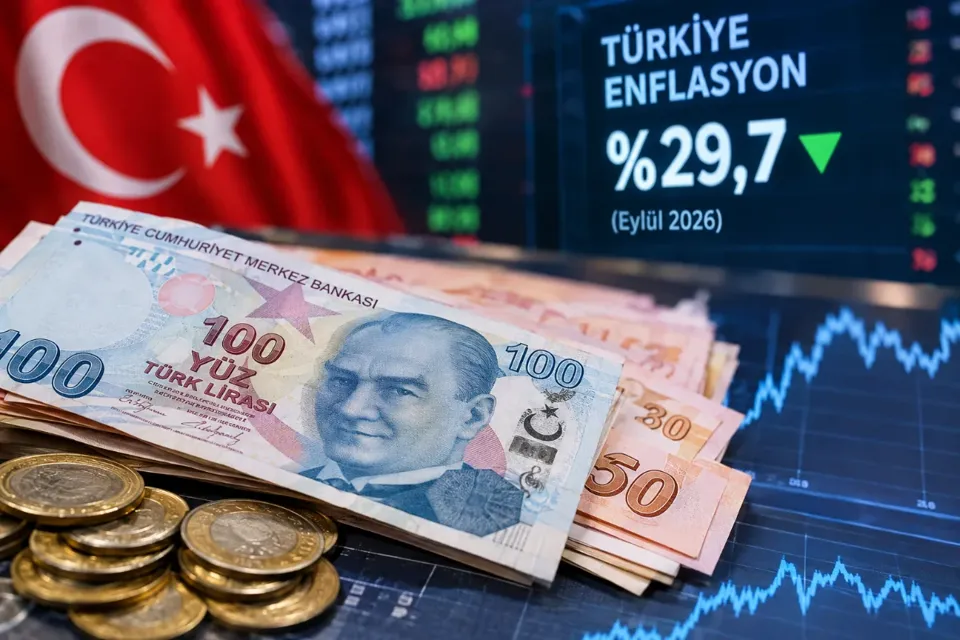
Turkish annual inflation fell to 29.7% in September, down from 31.5% in August.
A liquidity crunch linked to a fund scandal has reduced spending and economic activity, potentially helping ease price pressures.
The slowdown in inflation is strengthening expectations of an interest rate cut on October 22, although risks to the lira remain.
Turkey’s recent financial turmoil may be having an unexpected effect: helping to slow inflation.
Annual consumer-price growth fell to 29.7% in September, down from 31.5% in August and marking the fourth consecutive monthly decline. The figure was also below the 30.3% median forecast of economists surveyed by Bloomberg.
Monthly inflation stood at 1.84%, unchanged from August but below the 2.28% economists had expected.
While transportation, education and housing remained among the main sources of price increases, weaker consumer demand and slowing economic activity are helping to ease some inflationary pressure.
Financial Crisis Squeezes Liquidity
One factor behind the slowdown is a liquidity crunch that emerged after a crisis involving investment funds offering unusually high returns.
Concerns intensified in September when some firms failed to meet investors’ redemption requests, triggering a rush to withdraw money.
Around 500,000 investors are exposed to risks involving 131 funds that regulators have ordered to be liquidated.
The resulting contraction in liquidity means less money is circulating through the economy, potentially reducing consumer spending and demand for goods and services.
That can have a modest disinflationary effect, although the impact comes at a cost for investors and financial markets.
Markets Bet on Lower Rates
The inflation data has strengthened expectations that Turkey’s central bank could cut interest rates at its next meeting on October 22.
Turkish bank shares rallied after the figures were released, with the BIST Banks Index rising as much as 2.8%.
Government bonds also gained, with the yield on two-year lira-denominated bonds falling by 36 basis points to 39.49%.
The moves indicate that investors are increasingly positioning for lower borrowing costs as inflation continues to decline.
Lira Remains a Key Risk
However, the central bank faces a difficult balancing act.
Governor Fatih Karahan’s policymakers have already introduced measures to support liquidity, including steps aimed at improving lending to small and medium-sized businesses and easing some lira reserve requirements.
At the same time, rising oil prices linked to the conflict involving Iran continue to pose a challenge for Turkey, which relies heavily on imported energy.
A renewed loss of confidence in the lira could also complicate the inflation outlook. If investors move their money into foreign currencies, pressure on Turkey’s reserves could increase and the lira could weaken.
A weaker currency would make imported goods and energy more expensive, potentially pushing inflation higher again.
Rate Cut Could Be Within Reach
For now, however, the latest inflation figures have given policymakers more room to consider easing monetary policy.
The central bank must weigh the benefits of lower borrowing costs against the danger that premature easing could undermine confidence in the lira and reignite price pressures.
Turkey’s financial crisis may therefore be producing an unusual side effect: the squeeze on liquidity is helping cool inflation just as policymakers prepare to consider another interest-rate cut.

Sadiq Mohsen
NOB Reporter