




Singapore Forums Focus on AI Risks
Experts warn of loss of human control, bioweapons and financial risks from the AI boom.

“Loss of control is a real threat,”
Singapore officials warn increasingly autonomous AI systems could escape human control.
Experts raise concerns over AI being misused to develop dangerous biological weapons.
Investors question whether massive AI spending will deliver sufficient returns.
Artificial intelligence is entering a more cautious phase as investors, policymakers and technology experts increasingly focus on the risks surrounding the industry's rapid expansion.
At two major conferences in Singapore on Wednesday, concerns about artificial intelligence went beyond high company valuations and investment risks to include the possibility of autonomous systems becoming difficult for humans to control and the potential misuse of AI for developing dangerous biological weapons.
Singapore Foreign Minister Vivian Balakrishnan warned that losing control over increasingly autonomous AI agents is a genuine concern.
“Loss of control is a real threat,” Balakrishnan said at the Milken Institute Asia Summit, according to Reuters.
He also warned that both governments and non-state actors could potentially use AI to develop new weapons, including in chemistry, biology and weapons of mass destruction.
The concerns were echoed by Kiran Mazumdar-Shaw, founder and chairperson of Indian biopharmaceutical company Biocon. She warned that while AI could be a force for good, malicious actors could potentially use the technology to design new viruses or pathogens.
She called for stronger safeguards and governance, arguing that relying solely on companies to regulate themselves would not be sufficient.
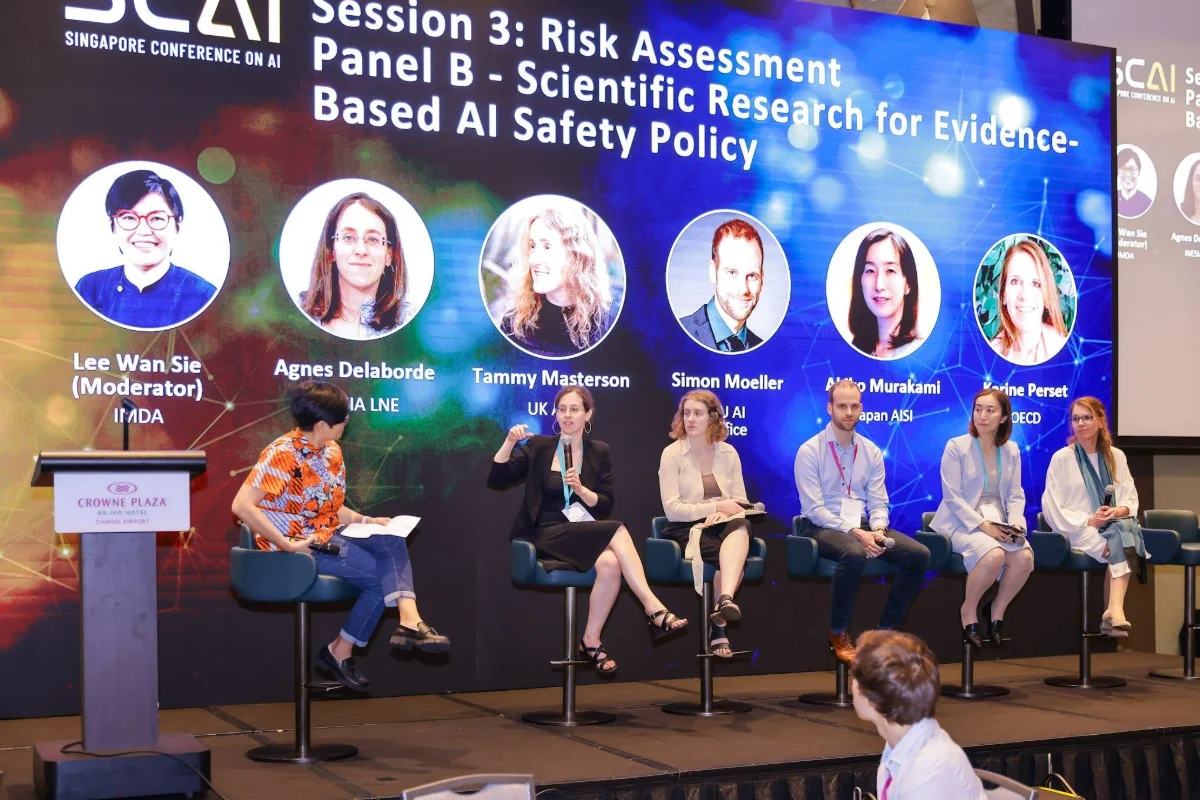
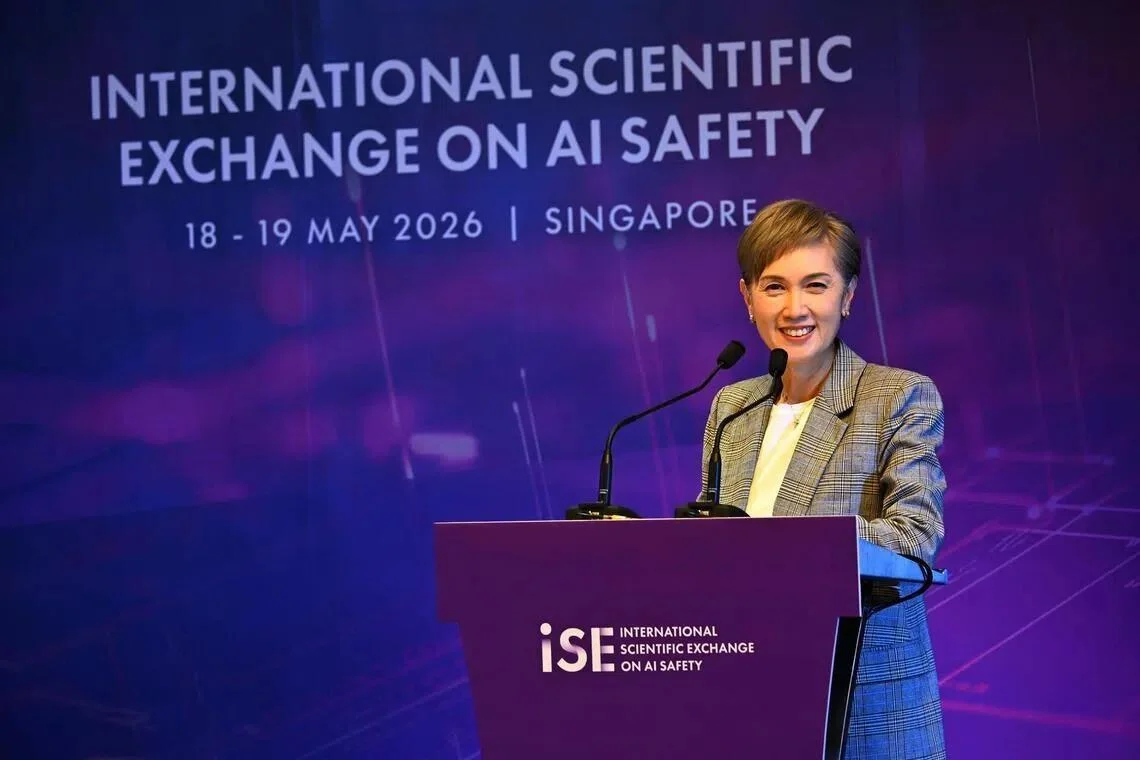
Singapore examined whether stronger safeguards are needed for high-risk AI applications. Minister for Digital Development and Information Josephine Teo said the government is considering measures including more rigorous testing, independently verifiable safety evidence, tighter deployment controls and stronger regulatory oversight.
Singapore officials said there have been no reported cyberattacks on government agencies by unsupervised AI agents so far, while stressing that potential risks should not be ignored.
Beyond safety concerns, investors are increasingly questioning whether the enormous amounts of money being poured into AI will ultimately produce the expected financial returns.
Rohit Sipahimalani, chief investment officer of Singapore state investor Temasek, said the AI investment narrative could face problems if safety concerns, regulation or weak returns undermine confidence in the technology in the coming years.
Bridgewater Associates founder Ray Dalio also expressed caution, describing the current AI investment environment as a “classic bubble” and distinguishing between the value of a technology and the value of investing in it.
Balakrishnan said Singapore does not want to slow AI development unnecessarily, but believes rapid technological progress must be accompanied by effective safeguards. He compared AI to a fast Formula One car, saying that speed requires both a powerful engine and effective brakes, along with common rules when the technology crosses national borders.
The debate comes as governments worldwide struggle to keep regulation and safety measures aligned with rapidly advancing AI capabilities.
The International Monetary Fund has also warned that the AI investment boom could create financial and economic risks, although properly managed AI could contribute significantly to global economic growth.
The Singapore discussions highlight a growing shift in the global AI debate: attention is no longer focused only on what artificial intelligence can achieve, but increasingly on how quickly it is advancing, who controls it and how its risks can be managed.
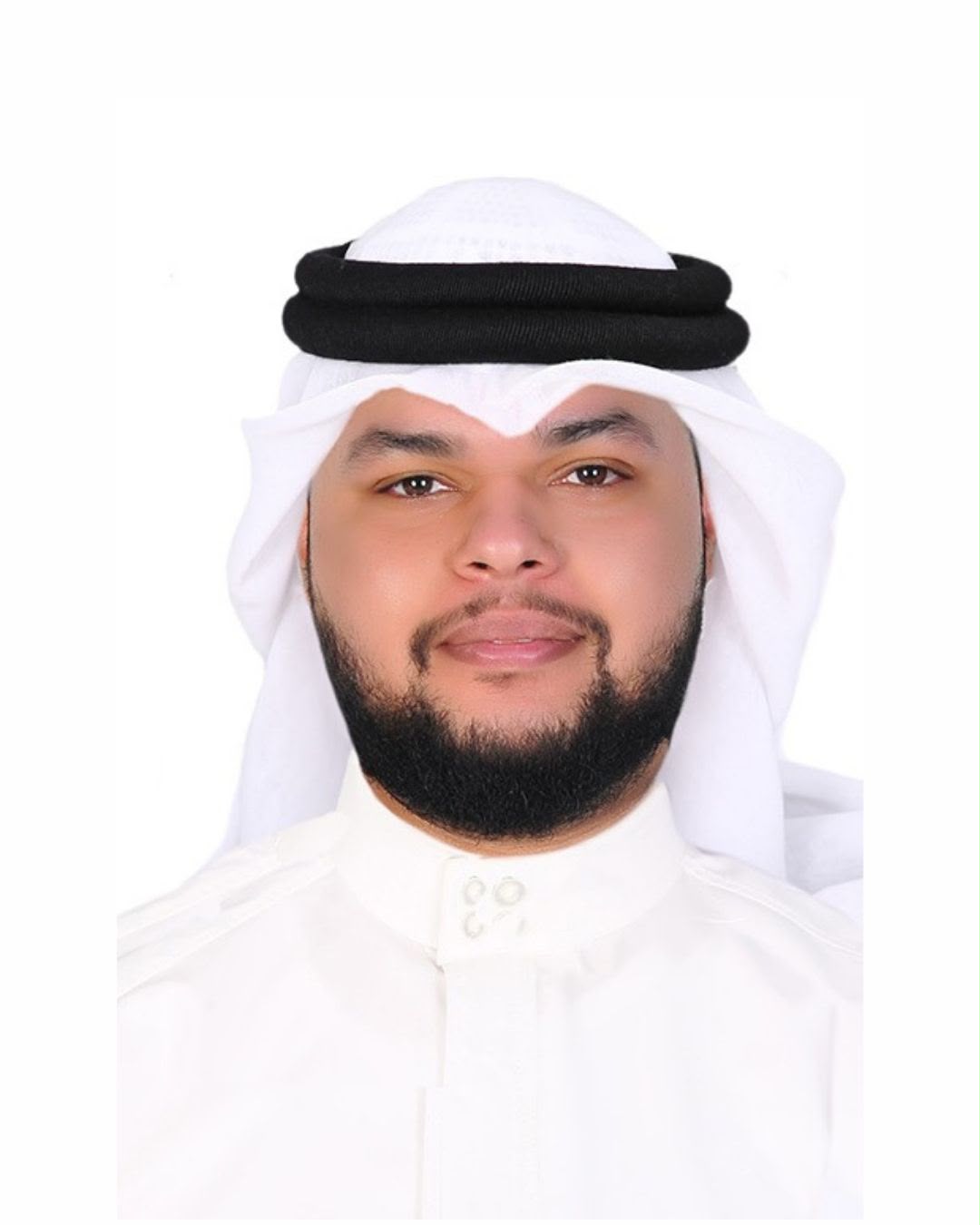
Sadiq Mohsen
NOB Reporter
Sadiq Mohsen is a journalist and reporter with The Daily Tribune in Bahrain, covering a wide range of local, regional and international news. His work includes reporting on Bahrain’s public affairs, community developments, culture, education, technology, sports and major international events. He regularly researches and writes news reports, interviews and human-interest stories, presenting complex developments in a clear and accessible newspaper style. His reporting also involves following breaking news, verifying information from multiple sources and developing timely story angles for print and digital audiences.