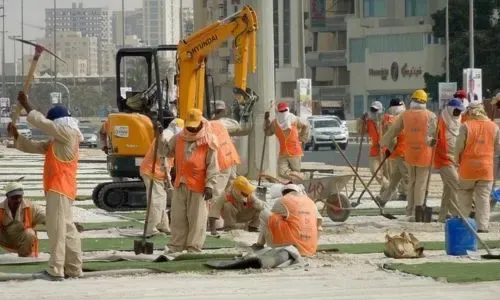
By Caption: Representative image. TDT | Manama The Daily Tribune - www.newsofbahrain.com Email: editor@newsofbahrain.com The number of active work permits for foreign workers in Bahrain reached 631,763 by the end of the second quarter of 2024, representing a 3.8% annual increase compared to 608,411 permits in the
TDT | Manama
The Daily Tribune - www.newsofbahrain.com
Email: editor@newsofbahrain.com
The number of active work permits for foreign workers in Bahrain reached 631,763 by the end of the second quarter of 2024, representing a 3.8% annual increase compared to 608,411 permits in the same period last year.
This growth indicates a continued reliance on foreign labour to support the Kingdom’s economy. While the overall number of active work permits saw an increase, the number of new employment work permits issued by the Labour Market Regulatory Authority (LMRA) during the second quarter of 2024 decreased by 5% year-on-year, reaching 33,740.
This decline suggests a potential slowdown in new hiring. Interestingly, 54% of these new employment work permits were issued to organisations employing less than 10 workers, highlighting the significant role small businesses play in the Bahraini economy and their continued reliance on foreign labour. The LMRA data also reveals a 10.2% increase in work permit renewals during the second quarter, reaching 99,279.
This indicates that existing foreign workers are staying in Bahrain and contributing to the workforce. Moreover, the number of work permit terminations decreased by 13.6%, reaching 23,778. The construction sector continues to be the largest employer of foreign workers, accounting for 23% of all new employment work permits issued. The wholesale and retail trade sector follows closely with 20%, followed by the accommodation and food service activities sector at 14%.