




Meta Builds Muse AI Ecosystem
New open-source project gives developers tools to build physical devices powered by Meta’s AI assistant.
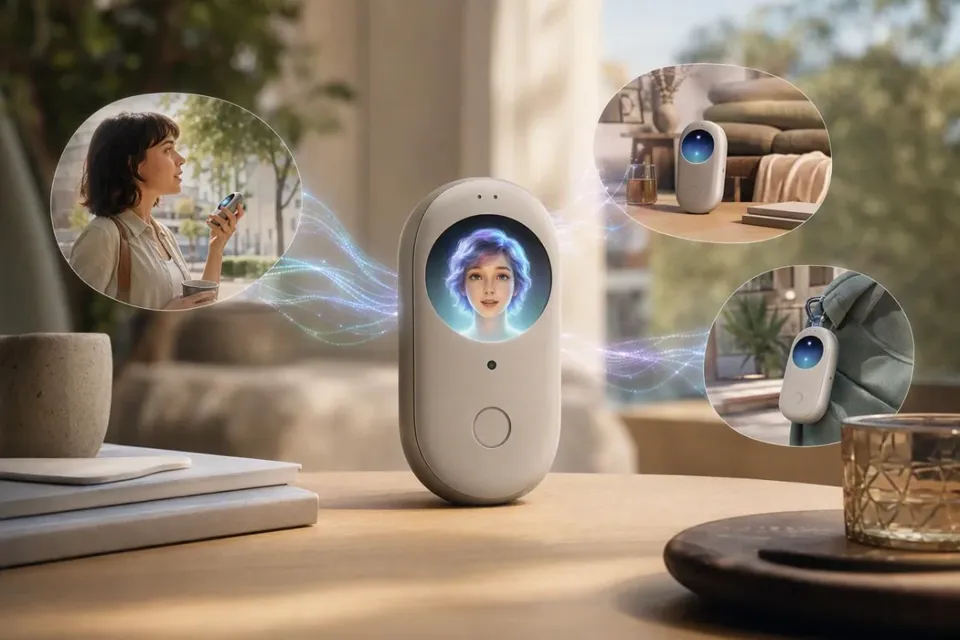
Meta launched the open-source Muse Gadgets project for developers and hobbyists.
The initiative allows Muse to connect with screens, sensors, buttons and smart-home devices.
Meta has positioned Muse as a broader platform for developers, businesses and connected devices.
Meta is expanding its ambitions for artificial intelligence beyond phones and computers, seeking to turn its Muse assistant into a platform that can power a new generation of physical devices.
The company has launched Muse Gadgets, an open-source initiative that gives developers and hobbyists the tools to create custom hardware capable of connecting to the AI assistant.
Rather than limiting Muse to a conventional chatbot interface, Meta is providing open-source firmware and a software development kit for Linux, allowing users to experiment with different types of hardware and applications.
Developers can use relatively inexpensive platforms such as Raspberry Pi and ESP32 boards, connecting components including screens, buttons, sensors and electronic actuators.
This approach could allow developers to create a wide variety of AI-powered gadgets. Meta has suggested projects such as adding a color E-Ink display to Muse or creating a small device that connects to a television through HDMI.
Meta Tests Its Own Hardware
Meta is also testing the concept itself.
Nat Friedman, Head of Products at Meta's Super AI Labs, said the company developed a device called Muse Home Link. The device connects through USB-C and allows Muse to communicate with a home network and interact with connected devices such as smart speakers and televisions.
According to Friedman, Meta has produced 5,000 Home Link units and plans to distribute them free of charge to Muse subscribers while supplies last.
This move provides an early example of how Meta envisions Muse operating outside a traditional phone or computer application.
Building a Wider AI Ecosystem
The Muse Gadgets project is part of a broader effort by Meta to expand the reach of its AI technology.
By giving developers access to open-source tools, the company is encouraging them to experiment with new applications and hardware rather than relying solely on products developed by Meta itself.
This strategy could bring Muse into areas such as smart homes, entertainment, personal technology and business applications.
Meta has also introduced Muse for Small Business, a free version of the assistant with usage limits that can connect with services used by companies, including Spotify, Dropbox and Slack.
The company has additionally established Meta Enterprise Platform, reflecting its efforts to expand its AI technologies into the business and corporate market.
Together, these moves suggest that Meta wants Muse to become more than an AI assistant users talk to. The company is building an ecosystem in which developers, businesses and hobbyists can create new services and physical products around the technology.
If successful, this strategy could make Muse a foundation for a wider range of AI-powered devices, allowing artificial intelligence to move further from screens and into everyday environments.
