




El Niño Drives Quiet Atlantic September
A strong El Niño and record wind shear are keeping the 2026 Atlantic hurricane season unusually quiet.
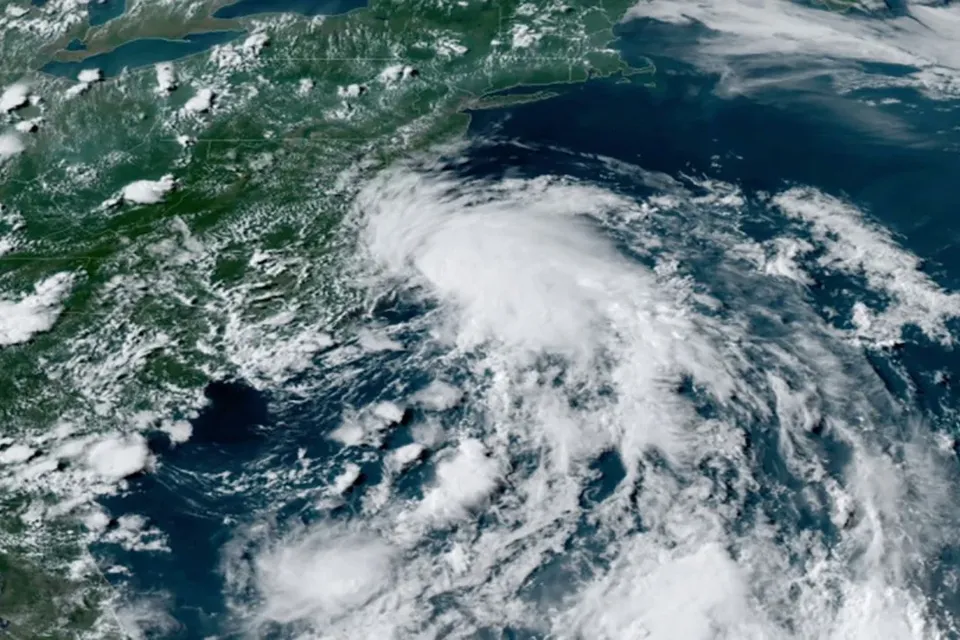
September 2026 was the first hurricane-free September in the Atlantic in more than 30 years.
Strong El Niño conditions produced powerful wind shear that disrupted developing tropical systems.
October and November can still produce hurricanes and dangerous tropical storms.
The Atlantic hurricane season experienced an unusually quiet September, with no hurricanes forming during the month for the first time in more than three decades.
Only four Septembers since 1950 have recorded no Atlantic hurricanes: 1962, 1972, 1994 and 2026. The unusual lull occurred despite ocean temperatures remaining warm enough to support tropical development.
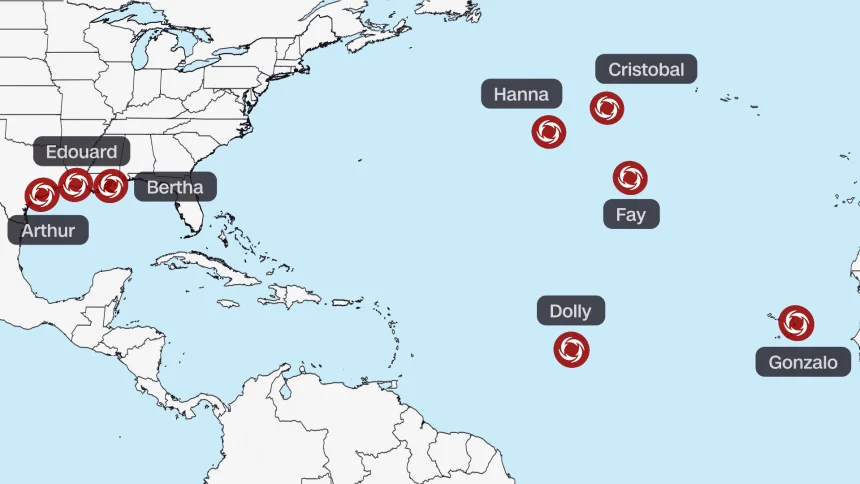
Three tropical storms formed in the Atlantic during September. Fay came closest to becoming a hurricane, falling just short of the required wind speed and potentially subject to an upgrade following a final review by the National Hurricane Center.
September is normally the peak of the Atlantic hurricane season, producing an average of two to three hurricanes. By this point in an average season, around five hurricanes would typically have formed, compared with the four recorded so far in 2026.
El Niño Drives Strong Wind Shear
Meteorologists have linked the unusual lack of hurricanes to a powerful El Niño pattern. The climate phenomenon produced exceptionally strong wind shear across the Atlantic's main tropical development region.
Wind shear can weaken tropical systems by disrupting their circulation and separating thunderstorms from the storm's center. This made it difficult for developing systems to strengthen, even over unusually warm waters.
Storms such as Dolly and Gonzalo developed in the main development region but were quickly weakened by the hostile atmospheric conditions.
Pacific Sees Opposite Pattern
While the Atlantic has remained unusually quiet, the eastern and central Pacific have experienced a highly active hurricane season.
The Pacific has recorded numerous named storms and several major hurricanes, including Hurricane Polo, which reached winds of about 180 mph and ranked among the strongest eastern Pacific hurricanes on record.
The contrasting activity highlights the influence of El Niño, which can suppress Atlantic hurricanes while creating more favorable conditions for tropical systems in parts of the Pacific.
Hurricane Season Is Not Over
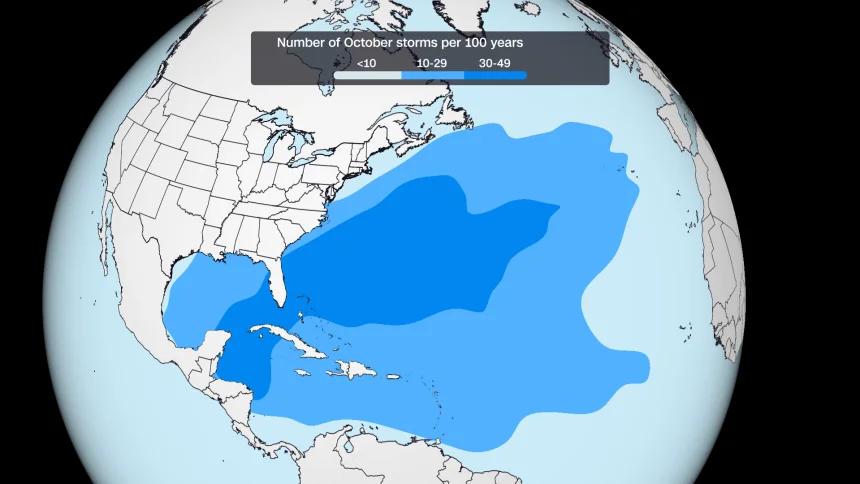
Despite the September lull, forecasters warn that the Atlantic season is not finished. October can still produce hurricanes, while November has historically generated late-season tropical systems as well.
Late-season storms can pose significant risks because they often develop closer to the Caribbean, Gulf of Mexico and the southeastern United States, potentially giving communities less time to prepare.
Even tropical storms that do not reach hurricane strength can cause severe flooding and other hazards. Recent storms have demonstrated the potential for heavy rainfall and flash flooding, particularly as a warmer atmosphere can hold more moisture.
The Atlantic has recorded only two years without a hurricane in the historical record: 1907 and 1914. However, records from that period were less complete because modern satellite and aircraft observations were not available.
With the season continuing into November, forecasters will continue monitoring the Atlantic for any signs that conditions could become more favorable for tropical development.
