




When Silence Finds a Voice
Banks, students, doctors and a young pupil are finding practical ways to make communication more accessible
A bank dictionary, a camera that understands hand movements, more than 300 cochlear implants and a schoolgirl teaching her teachers may seem unrelated. In Bahrain, they tell the same story – efforts to make communication easier for people with hearing impairments.
The Bahrain Association of Banks has developed a sign language dictionary covering bank-ing terms, helping deaf customers communicate more accurately and privately when handling financial transactions.
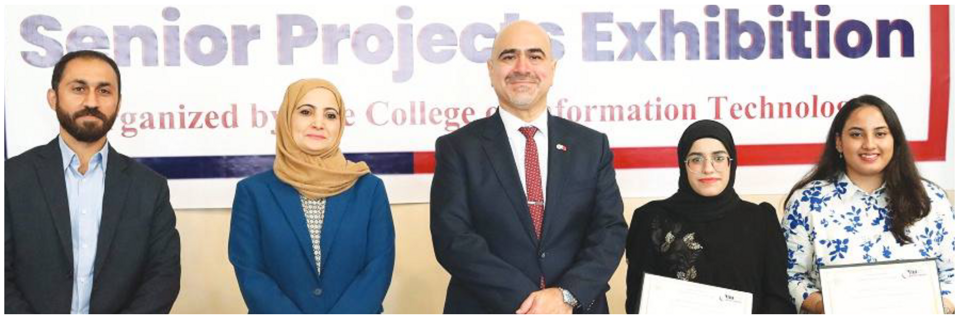
At the University of Bahrain, students Zainab Redha Matrook, Afifa Mohammed Ismail and Pooja Karmakar have taken the idea further with technology. They developed a system that recognises sign language movements in real time and translates them into meaning.
The system achieved 95 percent accuracy during testing, identifying key visual points and responding quickly enough for real-time communication.
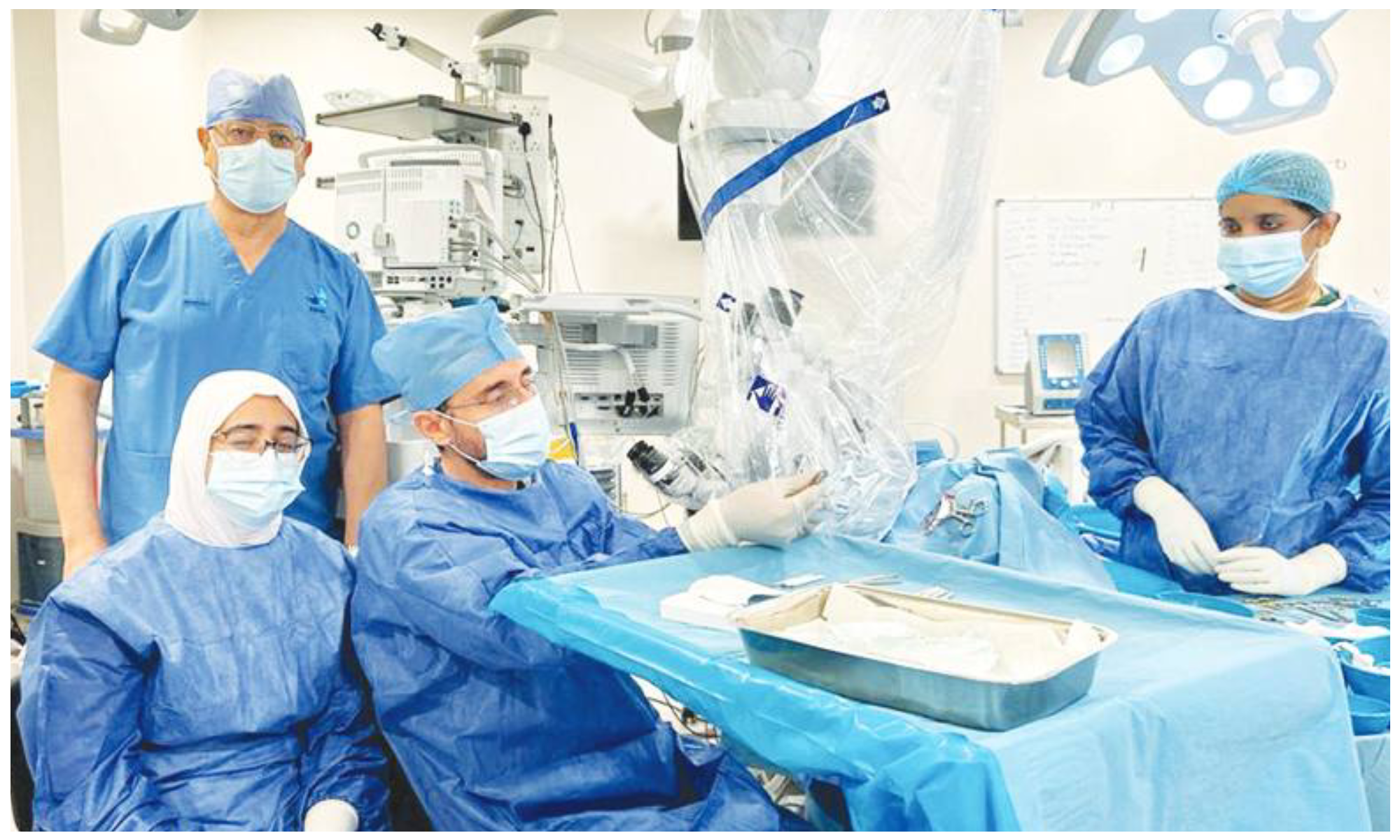
Healthcare has also played a role. Salmaniya Medical Complex began its cochlear implant programme in 2001 for patients who could no longer benefit sufficiently from hearing aids. By 2022, more than 300 implants had been performed, benefiting 280 people.
Then there is Munira, a primary school pupil who learned sign language at home because her father is deaf.
She began teaching signs to her classmates, who called her the “little teacher”. She later helped her teachers learn as well, believing that understanding sign language could open more doors to communication.
From medical care and technology to banking and classrooms, Bahrain’s efforts show that inclusion can begin with a system, a programme – or simply one child willing to teach.
Hasan Barakat
NOB Reporter ✓⃝