



100+ Services Coming to Bahrain’s
UNESCO–King Hamad Prize recognises innovative education projects from Finland
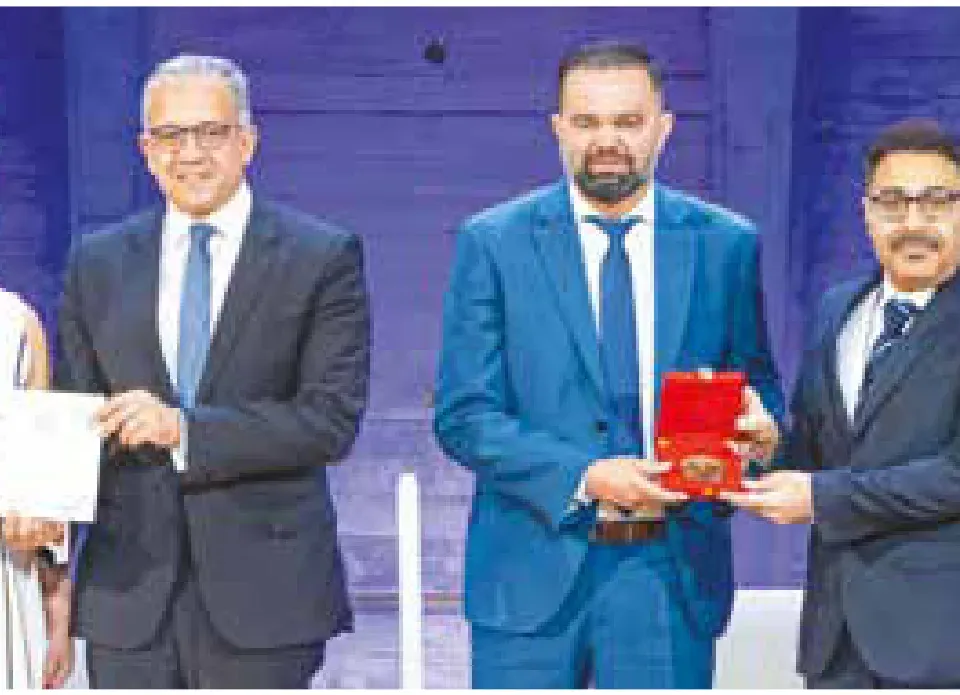
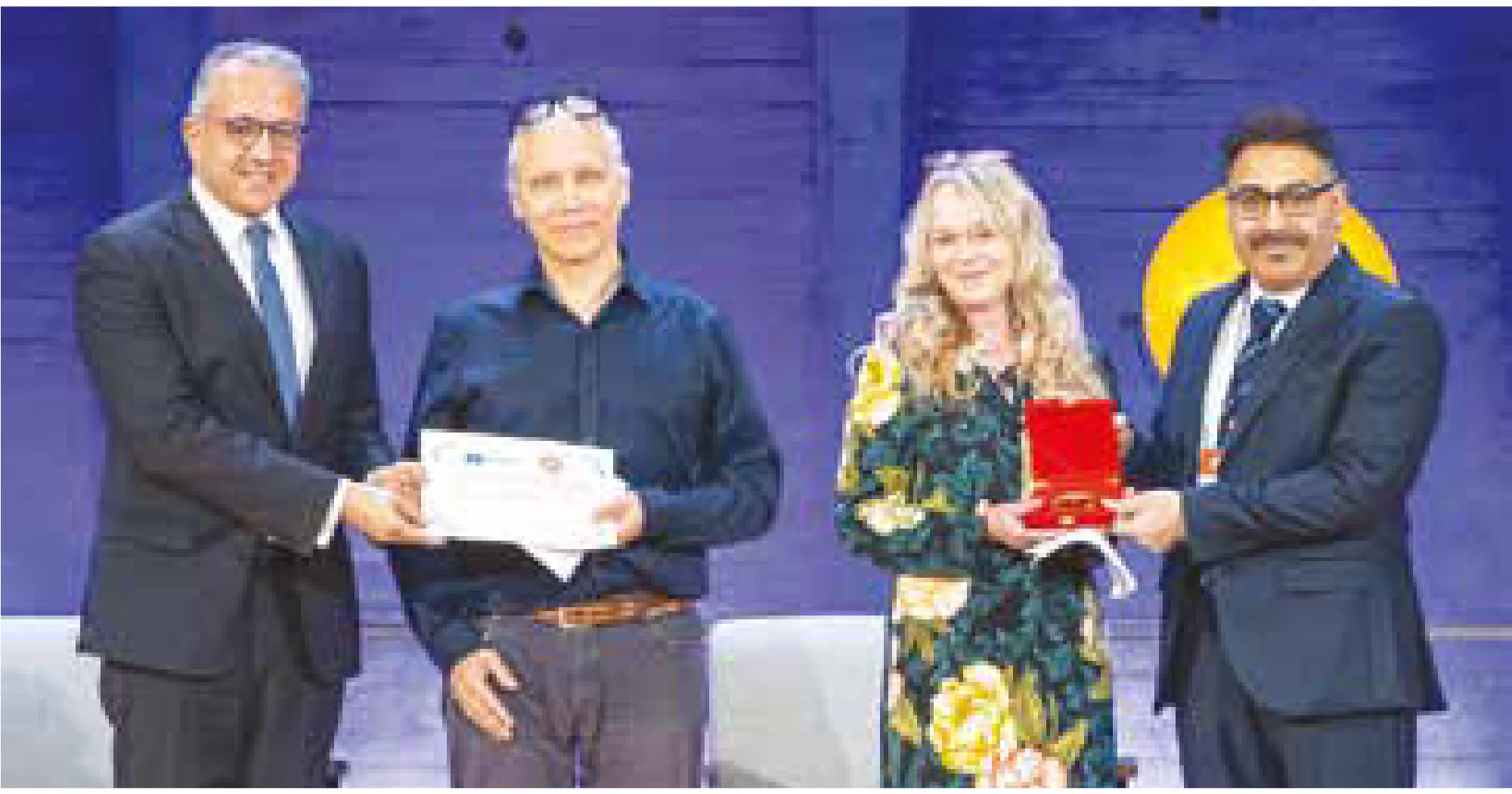
and artificial intelligence to reshape education, with the 2026 UNESCO–King Hamad bin Isa Al Khalifa Prize presented in Paris yesterday.
The 2026 prize was awarded to “Generation AI”, led by the University of Eastern Finland in partnership with the University of Helsinki, the University of Oulu and other partners, and “Redacao Parana”, submitted by the Education Secretariat of Brazil’s State of Parana.
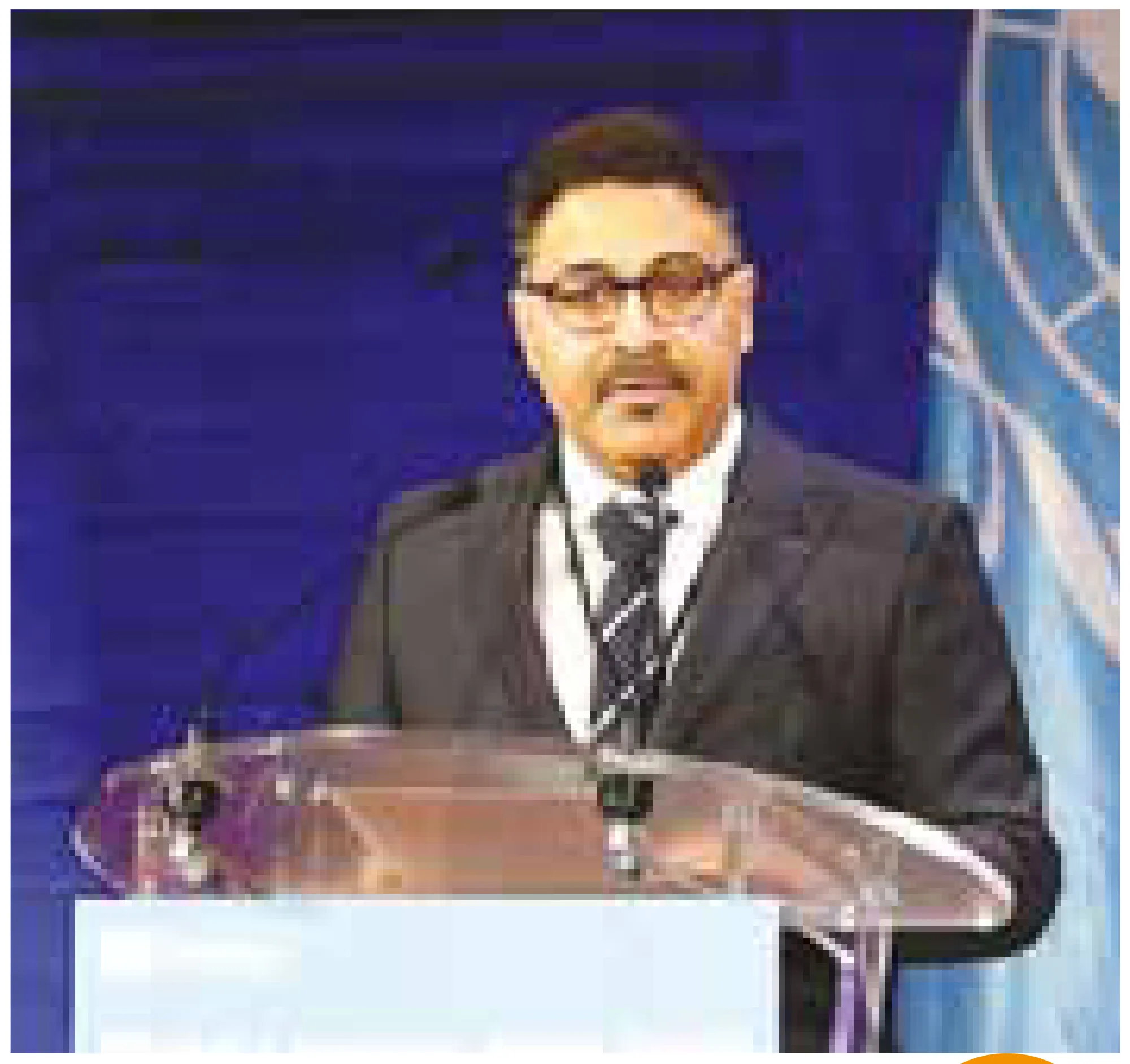
Speaking at the ceremony, Bahrain’s Minister of Education, Dr. Mohammed bin Mubarak Juma conveyed the greetings and congratulations of His Majesty the King and His Royal Highness Prince Salman bin Hamad Al Khalifa, Crown Prince and Prime Minister, to the winners.
He highlighted Bahrain’s longstanding partnership withUNES-CO and said the prize represented an important outcome of that cooperation.
Dr. Juma also announced that Bahrain will soon launch an AI-powered educational platform offering more than 100 educational and administrative services for students, teachers and parents.
Bahrain and UNESCO honoured two international projects using digital technology
AI Education Platform
and Brazil for advancing AI, creativity and critical thinking.
The minister said Bahrain has also introduced the International Baccalaureate programme in government schools this academic year, making it the first country
“The prize reflects
Bahrain’s strong education system.
and longstanding partnership with Bahrain’s designation of 2026
DR MOHAMMED BIN MUBARAK JUMA,
MINISTER OF EDUCATION
UNESCO.” as the “Year of Isa the Great,”
in the region to integrate the IB curriculum directly into its public
The ceremony coincides with honouring the late Isa the Great, Ruler of Bahrain and its Dependencies, whose era saw education move from traditional learning toward modern formal schooling.
UNESCO Assistant Director-General for Education Professor Cheon Tae-yeon praised the winning projects and stressed the importance of closer coordination between UNESCO and member states in advancing digital education.
The prize, themed “Reimagining Creativity and Critical Thinking with AI”, attracted 114 nominations from 58 countries and partner organisations. An independent international jury of digital education experts selected the two winners for their innovative use of technology.
